Why Jayme Matkozich Leaves Her Garden “Messy”

National Pollinator Week was June 22 to 28, the annual celebration started by the Pollinator Partnership to spotlight bees, butterflies, birds, and the other small creatures that keep our food and gardens going. It’s the perfect week to talk about something our own native plant specialist, Jayme Matkozich, has been preaching to J.A. Rutter customers for years: the best thing you can do for pollinators isn’t what you plant. It’s what you leave alone.

A Western PA Garden That Works All Year

Most of us were raised to think a good gardener cleans up in the fall. Cut everything back, bag the leaves, rake it bare, and call it tidy. Jayme does the opposite, and she has the birds and bugs to prove it works.

“I leave the seed heads up all fall, winter, and into early spring so I can enjoy the birds all year long,” Jayme said. “It’s basically bird seed on a stick. Why would I buy a bag of seed at the store when my coneflowers and cup plant are already growing it for free?”

That’s not just a nice sentiment. It’s backed by research. Penn State Extension’s Master Gardener program notes that birds will feast on the mature, nutritious seeds of flower heads like sunflowers, asters, black-eyed Susans, coneflowers, and goldenrod if gardeners leave them standing through winter instead of cutting them down in the fall cleanup rush.

It’s not only birds benefiting from the mess. Many native bees spend the winter tucked inside the same plants. Penn State Extension explains that several types of bees, including small carpenter bees, mason bees, and leaf cutter bees, carve out nests inside dry, hollow plant stems and spend the winter there, and the mason bees in particular are among the first pollinators active in fruit orchards each spring. Cut the stems down to the ground in October, and you’ve thrown out next year’s pollinators with the yard waste.

The Xerces Society, one of the leading invertebrate conservation groups in the country, puts it simply: providing winter cover is one of the single most valuable things a gardener can do for pollinators and other invertebrates.

July in the Garden: A Feast for the Senses

Pollinator Week falls right in the thick of peak garden season, and Jayme says that’s no accident.

“In July, the garden isn’t just visually buzzing with activity, it’s audibly buzzing,” she said. “You can hear the humming as you walk through it. It’s a feast for the senses, not just a feast for the eyes.”

That hum is the sound of a healthy native plant garden doing its job. Pennsylvania is home to roughly 450 species of native bees, most of them solitary, quiet, and easy to overlook because they don’t swarm or behave aggressively like honeybees can. When a garden is planted right, with native perennials blooming in succession through the season, you don’t just see pollinators. You hear them.

“Every time I go out there, I’m amazed at the variety,” Jayme added. “It’s not just bees. It’s wasps, cool spiders, flies, beetles and moths. The number of new insect friends keeps growing every year as the garden matures. That’s the real sign it’s working.”

Why This Matters Beyond One Backyard
Pollinators aren’t a side interest for gardeners. Three-fourths of the world’s flowering plants and about a third of human food crops depend on pollination to produce. And the populations doing that work are under real pressure. Congressional resolutions marking Pollinator Week this year point to the difficulties many pollinator species face, including the iconic Western Monarch butterfly, as a reason the week exists at all.

A home garden won’t reverse that trend on its own. But multiplied across a neighborhood, a township, a county, native plantings add up to real habitat. That’s the case Jayme has been making to J.A. Rutter customers all along: native plants aren’t just lower maintenance and better suited to our western PA soil and climate. They’re infrastructure for the insects and birds that the rest of the ecosystem depends on.

Three Things You Can Do For Pollinator Week

Jayme’s advice for anyone looking to get started, or looking to do a little less this fall:

  1. Skip the fall cleanup, at least partway. Leave seed heads on coneflowers, black-eyed Susans, asters, and goldenrod through winter. The birds will use them, and so will overwintering insects.
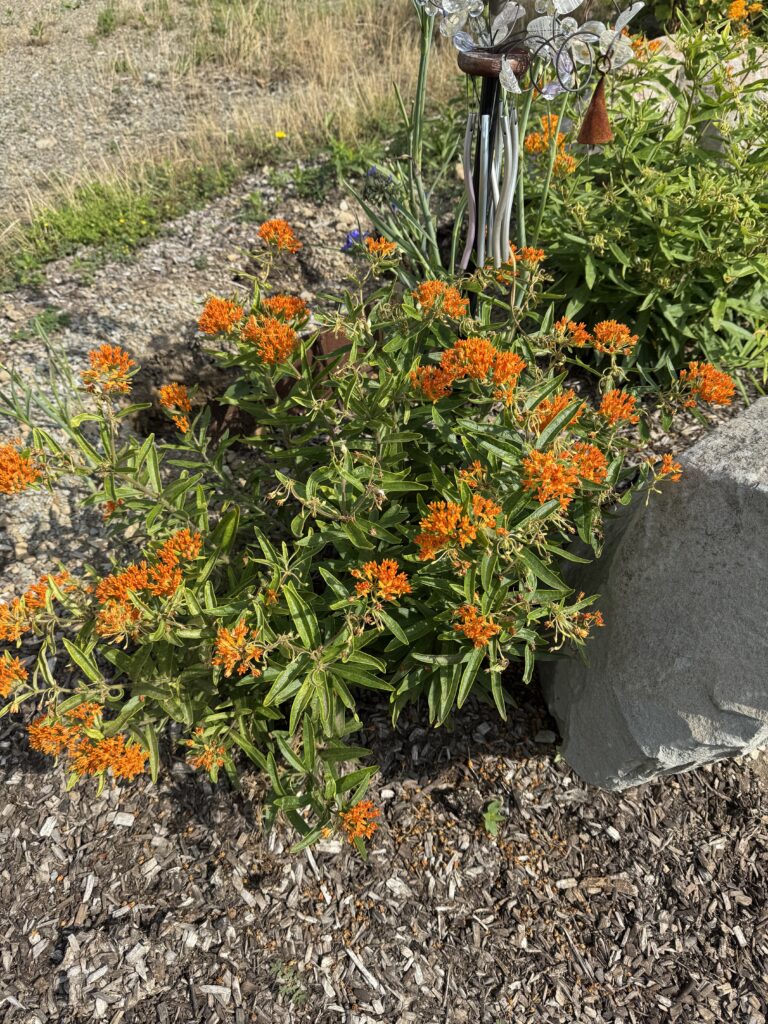
  2. Leave some stems standing. If you need to cut back, leave 8 to 24 inches of stalk above the ground on hollow-stemmed natives like bee balm, Joe Pye weed, and milkweed. That’s exactly the kind of housing cavity-nesting bees need.
  3. Plant in succession. A garden with something blooming from spring through fall keeps pollinators fed the whole season, not just in June.

Want help figuring out which native plants will give you that audible, buzzing garden Jayme talks about? Stop by J.A. Rutter and ask for her. She’ll walk the aisles with you and point you toward what actually works in this region’s soil and climate, not just what looks good on a tag.

Sources: Penn State Extension Master Gardener Program (Lackawanna County); Penn State Extension “Fall Garden Care for Pollinators”; U.S. Senate Pollinator Week resolution, 2026; Pollinator Partnership, Pollinator Week 2026.

A Native Garden Is the Best Thing You Can Do for Your Pennsylvania Yard

Why a Native Garden Is the Best Thing You Can Do for Your Pennsylvania Yard

If you have ever fought with Pennsylvania’s heavy clay soil, you already know the frustration. You amend a bed, plant something beautiful from the garden center, and watch it struggle through the season anyway. The good news is that the problem usually is not your effort. It is the plant. Native plants evolved alongside our region’s clay rich soil, our rainfall patterns, and our pollinators, which means they are built to thrive here instead of merely survive.

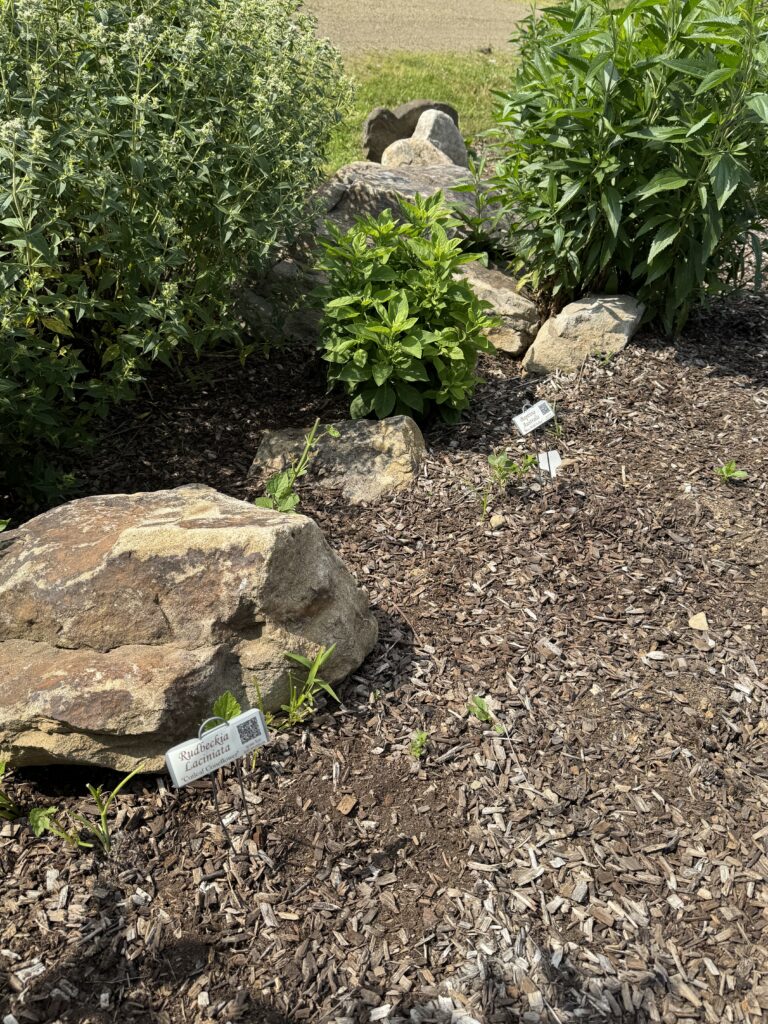
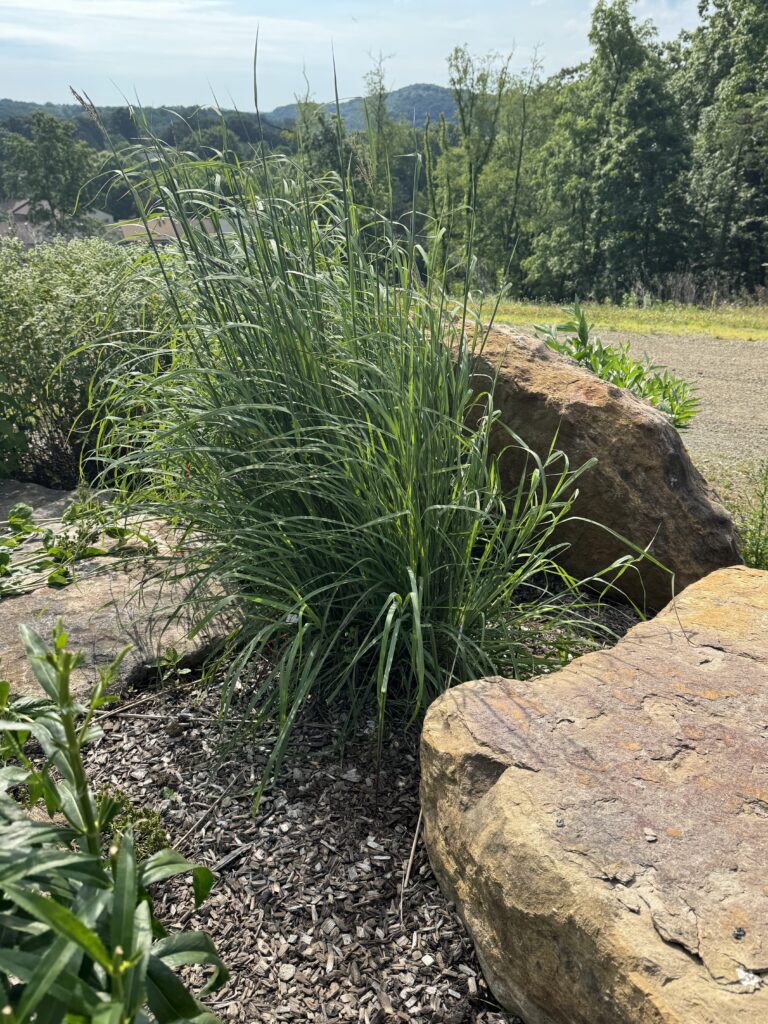
At J.A. Rutter Co., we have been working with Western Pennsylvania soil since 1972, and we have put this idea into practice ourselves. Our team built a native plant pollinator garden on our own property, in a very challenging area where fill and heavy clay soil were dumped. We couldn’t dig to remove the fill material and replace it with good soil due to underground utilities. So, instead of fighting the conditions, we chose plants suited to them. Here is why we think more homeowners and landscapers should do the same.

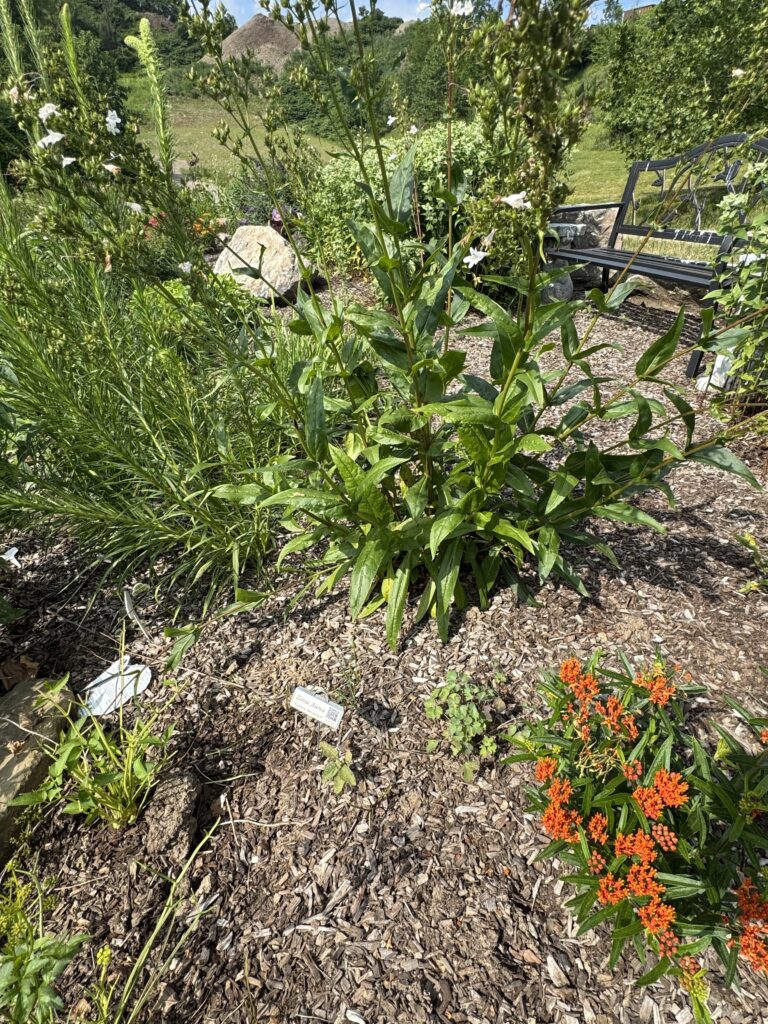
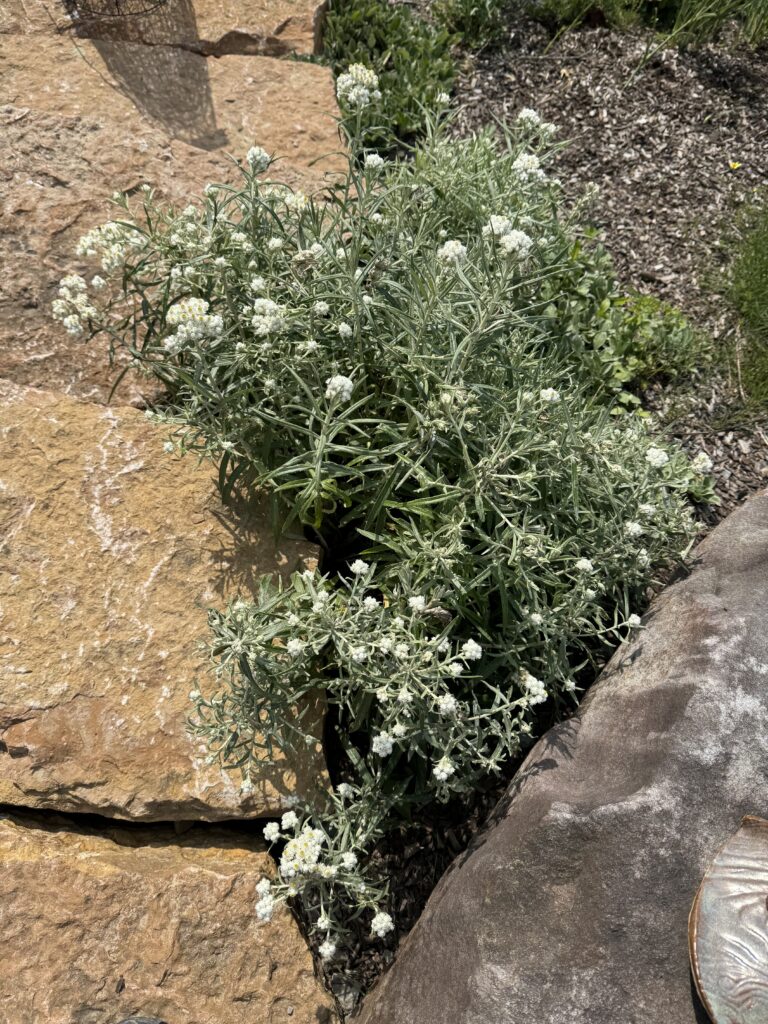
Butterfly Weed (Asclepias tuberosa), Compass Plant (Silphium laciniatum), Columbine (Aquilegia canadensis) and Pearly Everlasting (Anaphalis margaritacea) which is a host plant for the American Lady butterfly.

Native plants are made for Pennsylvania clay

Clay soil gets a bad reputation, but it is not actually a flaw in your yard. It holds nutrients well and retains moisture, conditions that suit a number of native trees and perennials well, even if not every native plant prefers them. Penn State Extension notes that common witch-hazel enjoys moist, rich, well-drained soil but can also tolerate clay soil and some drought once established, and that northern hackberry can tolerate a wide range of soil types and can withstand drought, soil compaction, heat, salt, wind, ice, air pollution, and short-term flooding, making it a strong choice for tougher residential sites.

Not every native plant is suited to clay, but many of the species commonly recommended for Pennsylvania landscapes, including the trees and perennials covered later in this post, evolved in regions where dense or compacted soils are common. That history gives them an advantage over many ornamental varieties bred for looser, well-drained conditions. The practical result is less time spent battling drainage issues and more time enjoying a garden that works with the soil you already have.

This is also why “right plant, right place” is the first rule we follow when we design a bed. Choosing species that are adapted to the site’s existing light, moisture, and soil conditions takes most of the guesswork out of long term plant health.

has common yarrow (Achillea millefolium) and 2 kinds of mountain mint: Blunt Mountain Mint (Pycnanthemum muticum) and Slender Mountain Mint (Pycnanthemum tenuifolium).

Less upkeep, more payoff

Once established, native plants ask less of the homeowner over time. Penn State Extension explains that native species are generally easier to care for once established, needing little or no pruning, deadheading, watering, or fertilizing, while exotic plants and large lawns require high levels of fossil fuel use, fertilizers, pesticides, and supplemental water. For homeowners, that means fewer hours spent trimming and feeding the bed once it has had a season or two to establish.

That lower long-term upkeep is exactly why getting the bed right at installation matters so much. A native garden’s low maintenance reputation depends on what goes into the ground at the start: properly prepared soil, the right compost mixed in for clay-heavy sites, and a solid layer of mulch to regulate moisture and suppress weeds while plants establish their root systems. Skipping that step is the most common reason a “low maintenance” native bed ends up needing far more attention than expected. For landscapers, that makes the installation phase, not the years of upkeep that follow, the highest value part of a native planting project.

A garden that actually feeds your pollinators

Native plants are not just easier on you. They are essential for the insects and birds in your yard. The Xerces Society, a leading invertebrate conservation nonprofit, points out that pollinators are necessary for the reproduction of over 85% of the world’s flowering plants, including more than two-thirds of the world’s crop species, and that fruits and seeds derived from insect pollination are a major part of the diet of approximately 25% of all birds. When you plant native species, you are restoring the specific food sources that local bees, butterflies, and birds depend on, many of which cannot use ornamental, non-native plants the same way.

This is precisely what motivated our own pollinator garden project. As our team wrote when the project began, the goal was simple: with the plants we chose, we hope to see lots of bees, wasps, moths, flies, and butterflies. If we’re lucky, maybe some hummingbirds. We picked species suited to the soil we had to work with, which varied throughout the planting area, then let the plants do the work from there.

Getting started in your own yard

You do not need a perfectly designed landscape plan to begin. Mixing trees, perennials, and a flowering vine gives a bed structure year-round while maintaining high pollinator value.

A few clay-tolerant trees to consider:

  • Common witch-hazel enjoys moist, rich, well-drained soil but can also tolerate clay soil and some drought once established, and adds winter interest when little else is blooming.
  • Northern hackberry can tolerate a wide range of soil types and can withstand drought, soil compaction, heat, salt, wind, ice, air pollution, and short-term flooding, making it a dependable shade tree for tougher residential sites.
  • Eastern redbud handles dense, poorly draining ground well and offers one of the first pollen and nectar sources for bees emerging in spring.

A few clay-tolerant perennials to pair with them:

  • Black-eyed Susan prefers average, well-drained soils but can adapt to clay, alkaline or acid pH, and gravelly soils, blooming from July into October once established. Penn State Extension research has also found that planting several together in a drift attracts more pollinating insects.
  • Bee balm (wild bergamot) generally does well in clay and is known as a magnet for bees and hummingbirds, with aromatic foliage that also tends to be deer resistant.
  • Purple coneflower is a long blooming, deep rooted perennial that holds up well in clay and is one of the most reliable pollinator plants for a Pennsylvania bed.
  • Ironweed has powerful roots that can cut through clay soil, and its late summer purple blooms are a great pollinator plant for the season when many other flowers have finished, drawing in butterflies, bees, and even songbirds that feed on its seeds.
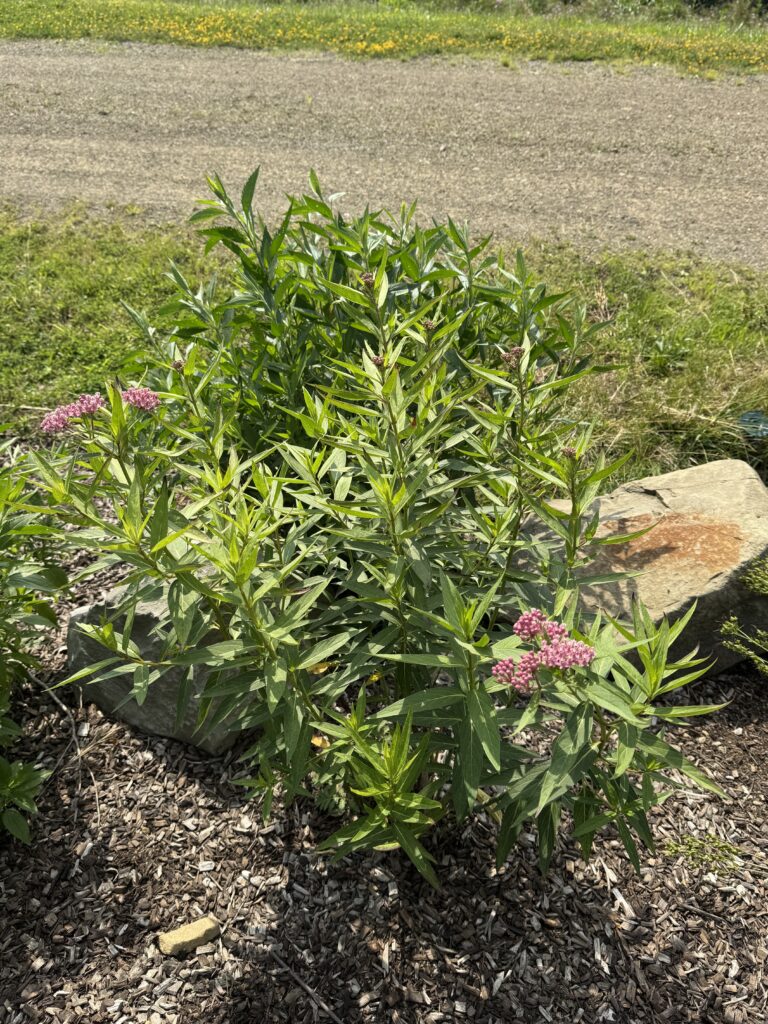
  • Swamp milkweed, unlike the more commonly seen common milkweed, prefers neutral to slightly acidic soil but will tolerate heavy clay, and is a host plant for monarch caterpillars while its showy flower clusters attract butterflies and hummingbirds.
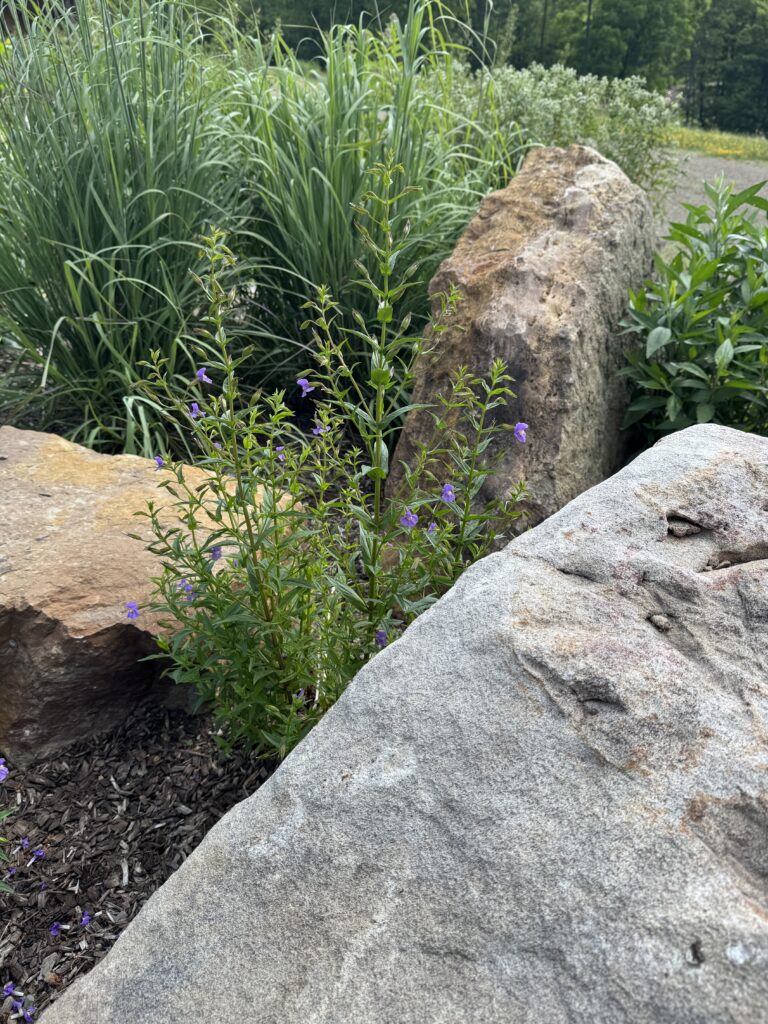
foxglove beardtongue (Penstemon digitalis) < figcaption> Foxglove beardtongue (Penstemon digitalis)along the garden’s rock-lined path.

A vine worth growing on a trellis or fence:

  • Coral honeysuckle (Lonicera sempervirens), sometimes called trumpet or red honeysuckle, prefers organically rich soil but adapts to a wide range of soils including clay, and is frequently visited by hummingbirds throughout its long spring to fall bloom period. It is also deer resistant and tolerant of black walnut, so it works well even in mixed plantings near established trees.
Bee balm in vibrant red bloom next to spiderwort in the native garden bed
Bee balm in bloom next to spiderwort, a favorite combination for attracting bees and hummingbirds.

A few practical steps to put these together:

  • Start with a soil test. Knowing your clay soil’s actual pH and nutrient levels, rather than guessing, helps you choose plants that will truly thrive instead of merely tolerate the spot.
  • Layer trees, perennials, and a vine. Trees provide long term structure and shade, perennials fill in lower layers with season long color, and a flowering vine on a trellis or fence adds vertical interest and extra nectar.
  • Build your beds with quality materials. A solid foundation of topsoil, compost, and mulch makes a real difference when you are establishing new plantings, even tough, low maintenance natives.
  • Be patient the first season. Most natives spend their first year establishing roots before putting on visible top growth. Many gardeners find that early patience leads to a lower maintenance bed in the years that follow.

We can help you build it

Whether you are starting a single native bed or reworking a larger landscape, having the right soil and mulch underneath your plants matters just as much as the plants themselves. Visit our products page to see the soil, organics, and mulch options we manufacture on site, or stop by J.A. Rutter Co. to talk through what will work best for your yard’s conditions.

You can also follow the ongoing progress of our own native pollinator garden on our blog, where we share what is working, what we would do differently, and what to plant next.


Sources:

Happy Arbor Day!

A love letter to the mightiest tree in the neighborhood

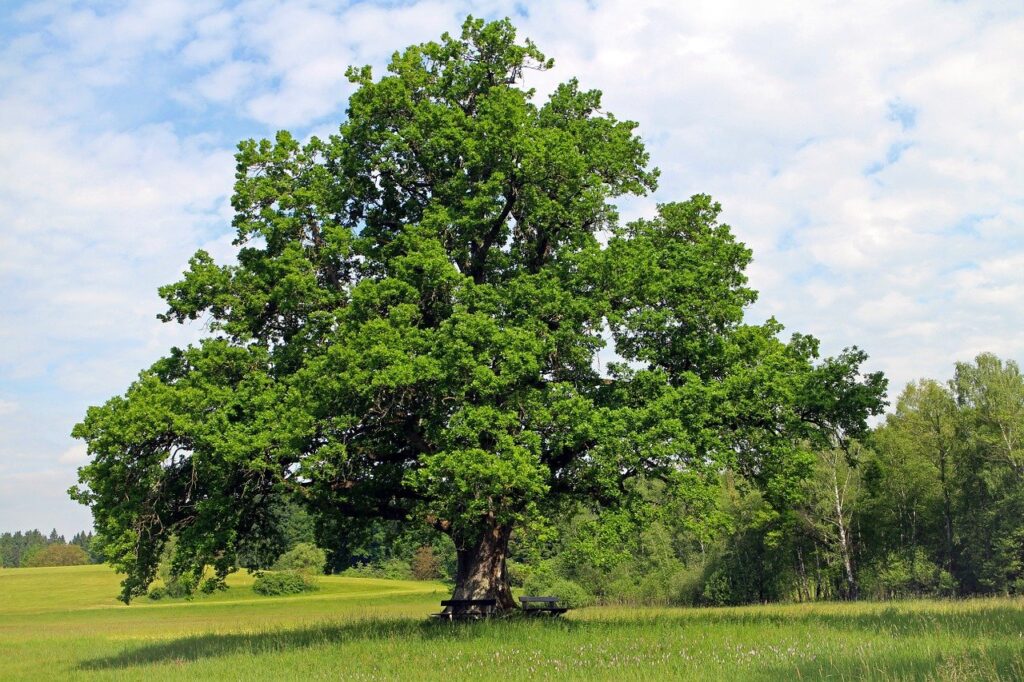
It’s Arbor Day! the one day a year we’re all supposed to feel guilty about not having planted a tree yet. But before you grab just any sapling from the garden center and call it a day, we need to talk about the oak tree. Because planting an oak isn’t just gardening. It’s an act of ecological heroism, basically wearing a cape, except the cape is shade, and it lasts three hundred years.

Here’s the thing most people don’t know: a single oak tree can support over 500 species of caterpillars and other moth and butterfly larvae. Five hundred. That’s not a tree that’s an all-inclusive resort for insects, and every guest is doing important work. Compare that to a Bradford pear (a tragically popular landscaping choice), which supports a whopping zero to five species. Planting a Bradford pear is essentially putting up a “No Vacancy” sign for wildlife, while the oak rolls out the red carpet.

500+
caterpillar species supported by one oak
6,000+
caterpillars needed to raise one clutch of chickadees
300+
years an oak tree can live and give

“But why caterpillars?” you ask, reasonably. Excellent question. It turns out baby songbirds are extremely picky eaters and not in an annoying toddler way, but in a biological survival way. Soft, juicy caterpillars are the perfect baby bird food: high in protein, easy to digest, and conveniently wriggly. Research by entomologist Doug Tallamy found that a pair of Carolina chickadees needs to bring between 6,000 and 9,000 caterpillars to the nest just to raise a single clutch of chicks to fledging. That is an absolutely staggering number of caterpillars – a full-time job, a second job, or even a third job with no benefits.

And here’s where the oak swoops in like a leafy superhero. Without trees like oaks nearby ones that actually host caterpillars parent birds simply cannot find enough food. Neighborhoods full of exotic ornamental plants might look lovely to us, but to a chickadee parent desperately hunting for the 4,372nd caterpillar of the day, they’re basically a desert. Birds in these areas often fail to successfully raise their chicks. The forests go quiet. And nobody wants that.

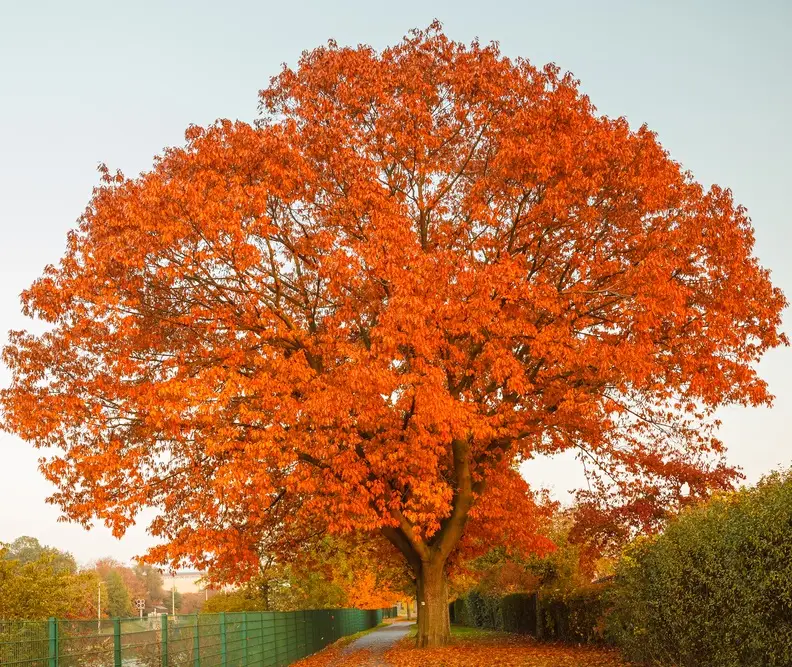
“The oak is, in many ways, the most generous tree in North America feeding insects that feed birds that fill our mornings with song. It’s a whole ecosystem hiding in plain sight, wearing a disguise of handsome bark and autumn leaves.”

So this Arbor Day, skip the trendy ornamentals. Plant an oak. Yes, it grows slowly, and you might not sit in its full shade for a decade. However, you’ll be planting something that will outlive you, outlive your children, and possibly outlive your grandchildren’s children all while quietly running the most efficient wildlife bed-and-breakfast imaginable. Hundreds of species of caterpillars, thousands of birds fed, and one very satisfied squirrel who will absolutely bury acorns all over your lawn without a thank-you note.

Plant an oak. The birds are counting on you. Literally counting up to 9,000.

#ArborDay #PlantOaks #NativeTreesMatter #ForTheBirds