
National Pollinator Week was June 22 to 28, the annual celebration started by the Pollinator Partnership to spotlight bees, butterflies, birds, and the other small creatures that keep our food and gardens going. It’s the perfect week to talk about something our own native plant specialist, Jayme Matkozich, has been preaching to J.A. Rutter customers for years: the best thing you can do for pollinators isn’t what you plant. It’s what you leave alone.
A Western PA Garden That Works All Year
Most of us were raised to think a good gardener cleans up in the fall. Cut everything back, bag the leaves, rake it bare, and call it tidy. Jayme does the opposite, and she has the birds and bugs to prove it works.
“I leave the seed heads up all fall, winter, and into early spring so I can enjoy the birds all year long,” Jayme said. “It’s basically bird seed on a stick. Why would I buy a bag of seed at the store when my coneflowers and cup plant are already growing it for free?”
That’s not just a nice sentiment. It’s backed by research. Penn State Extension’s Master Gardener program notes that birds will feast on the mature, nutritious seeds of flower heads like sunflowers, asters, black-eyed Susans, coneflowers, and goldenrod if gardeners leave them standing through winter instead of cutting them down in the fall cleanup rush.
It’s not only birds benefiting from the mess. Many native bees spend the winter tucked inside the same plants. Penn State Extension explains that several types of bees, including small carpenter bees, mason bees, and leaf cutter bees, carve out nests inside dry, hollow plant stems and spend the winter there, and the mason bees in particular are among the first pollinators active in fruit orchards each spring. Cut the stems down to the ground in October, and you’ve thrown out next year’s pollinators with the yard waste.
The Xerces Society, one of the leading invertebrate conservation groups in the country, puts it simply: providing winter cover is one of the single most valuable things a gardener can do for pollinators and other invertebrates.
July in the Garden: A Feast for the Senses
Pollinator Week falls right in the thick of peak garden season, and Jayme says that’s no accident.
“In July, the garden isn’t just visually buzzing with activity, it’s audibly buzzing,” she said. “You can hear the humming as you walk through it. It’s a feast for the senses, not just a feast for the eyes.”
That hum is the sound of a healthy native plant garden doing its job. Pennsylvania is home to roughly 450 species of native bees, most of them solitary, quiet, and easy to overlook because they don’t swarm or behave aggressively like honeybees can. When a garden is planted right, with native perennials blooming in succession through the season, you don’t just see pollinators. You hear them.
“Every time I go out there, I’m amazed at the variety,” Jayme added. “It’s not just bees. It’s wasps, cool spiders, flies, beetles and moths. The number of new insect friends keeps growing every year as the garden matures. That’s the real sign it’s working.”
Why This Matters Beyond One Backyard
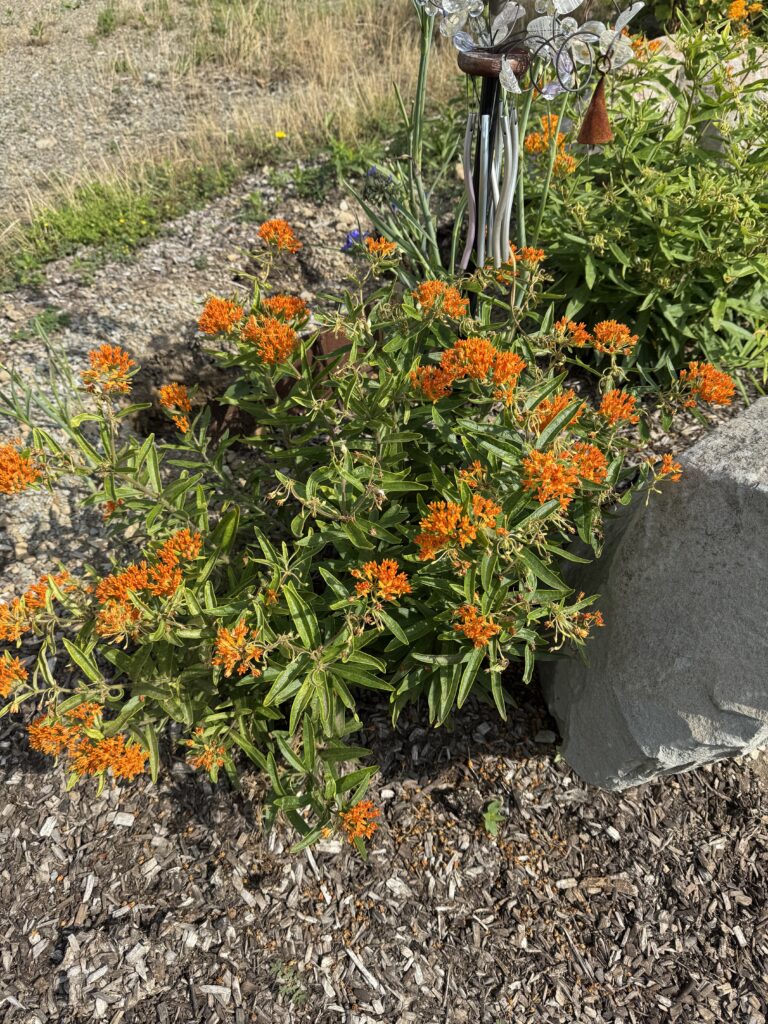
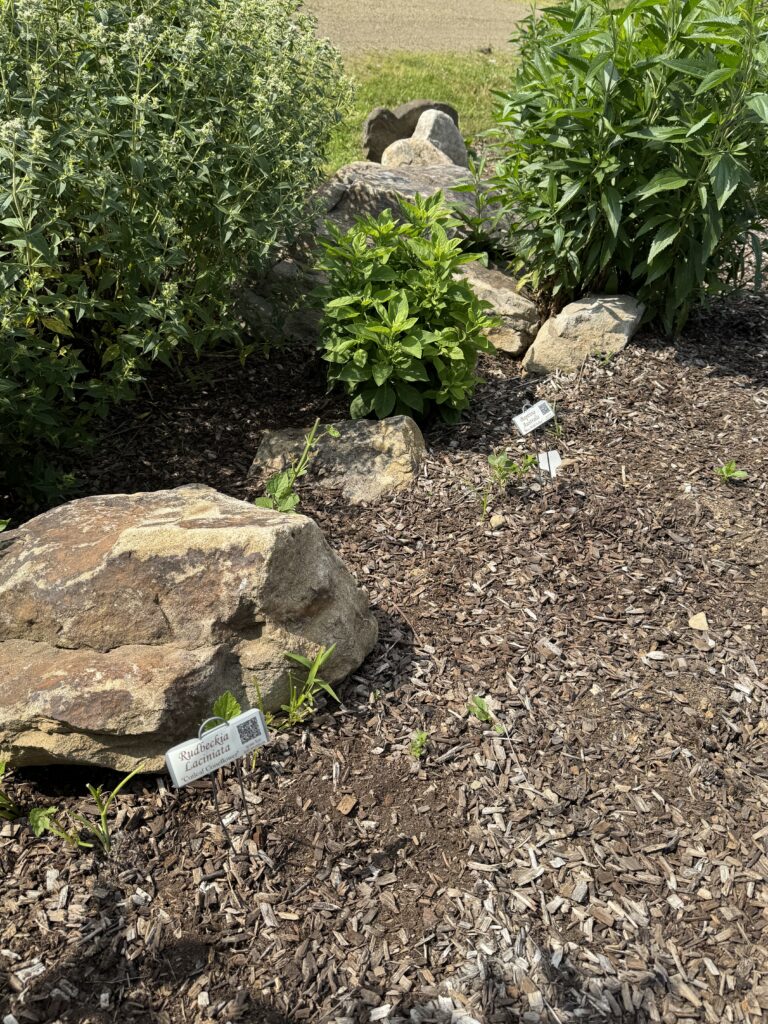
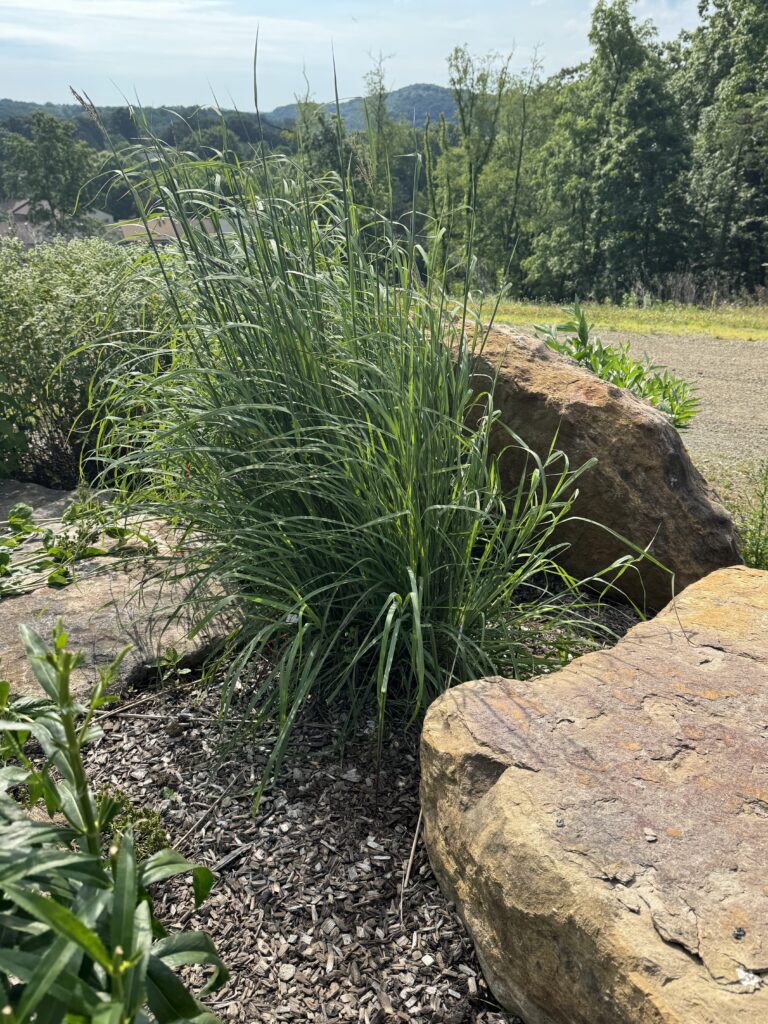
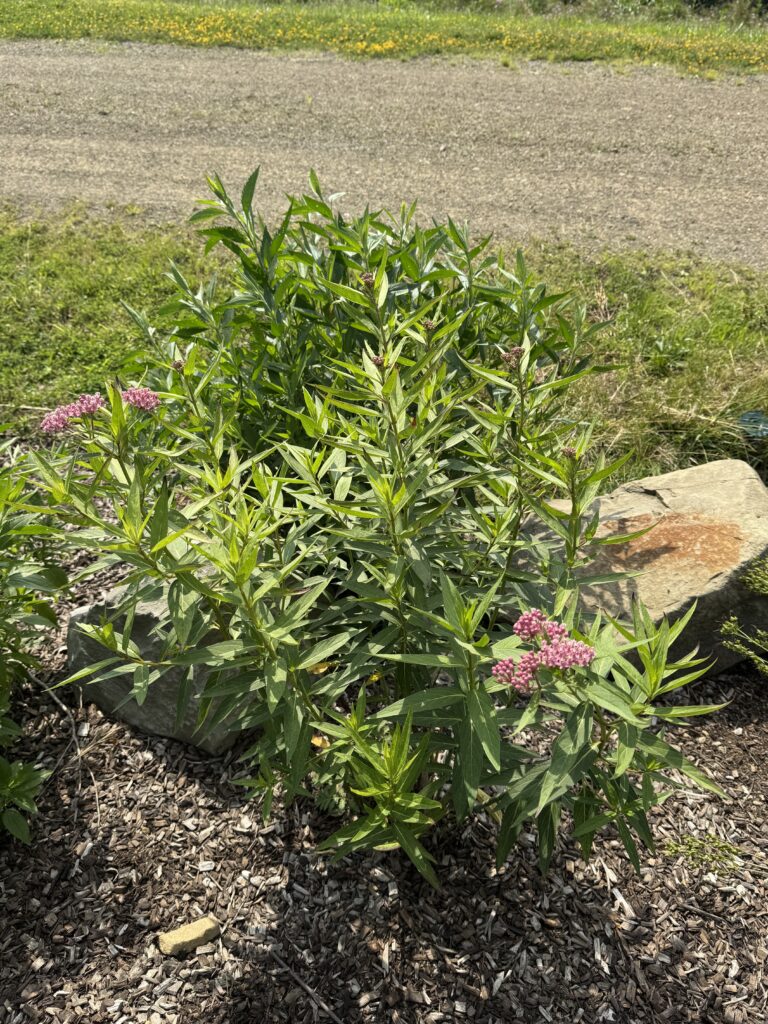
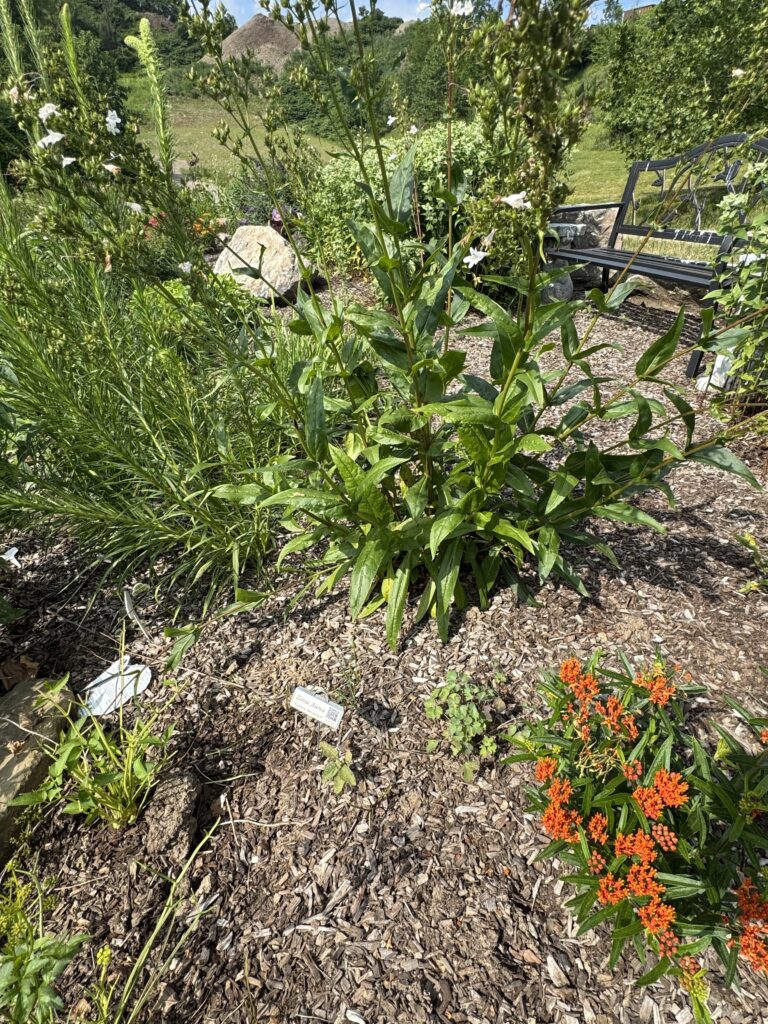
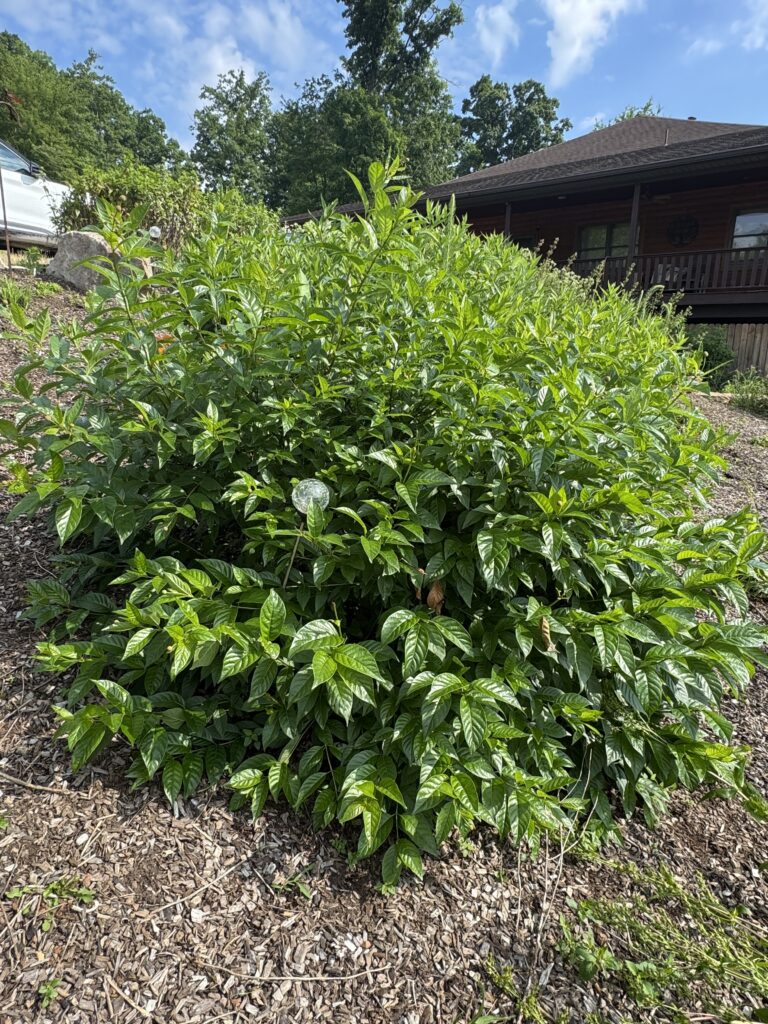
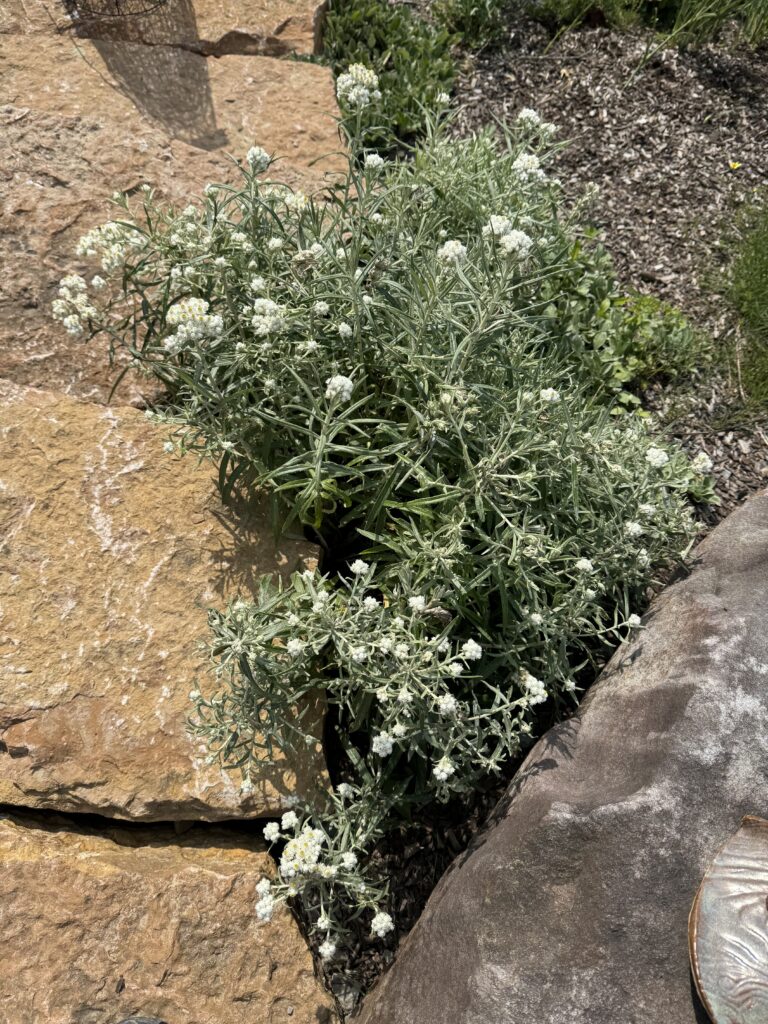
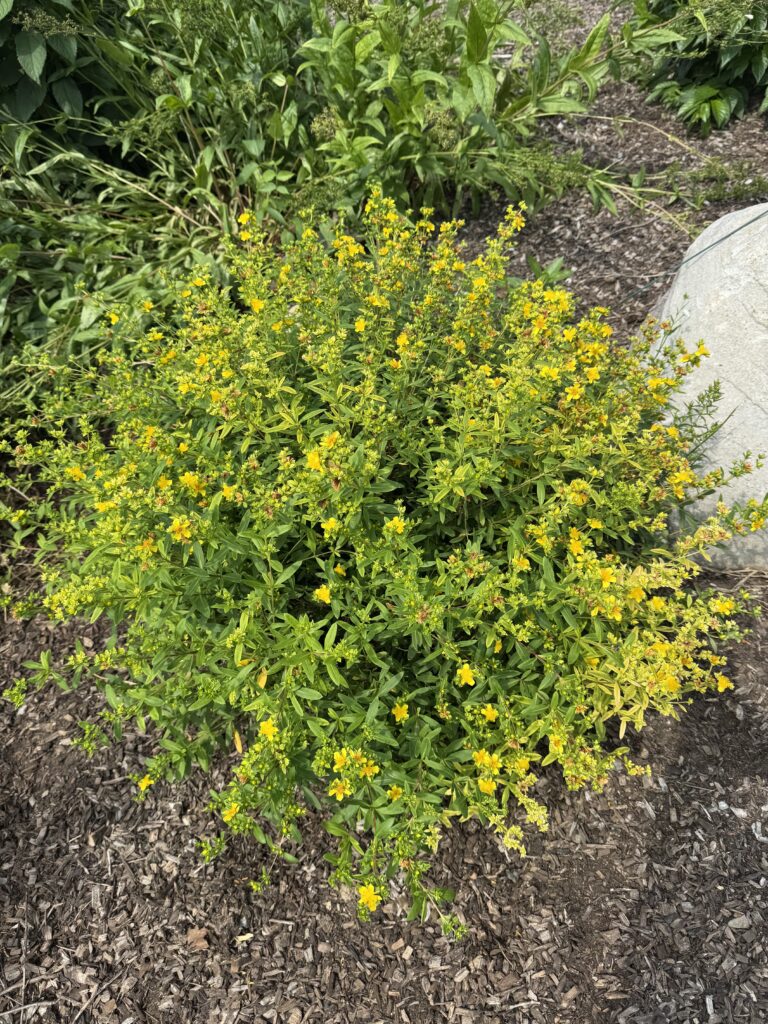
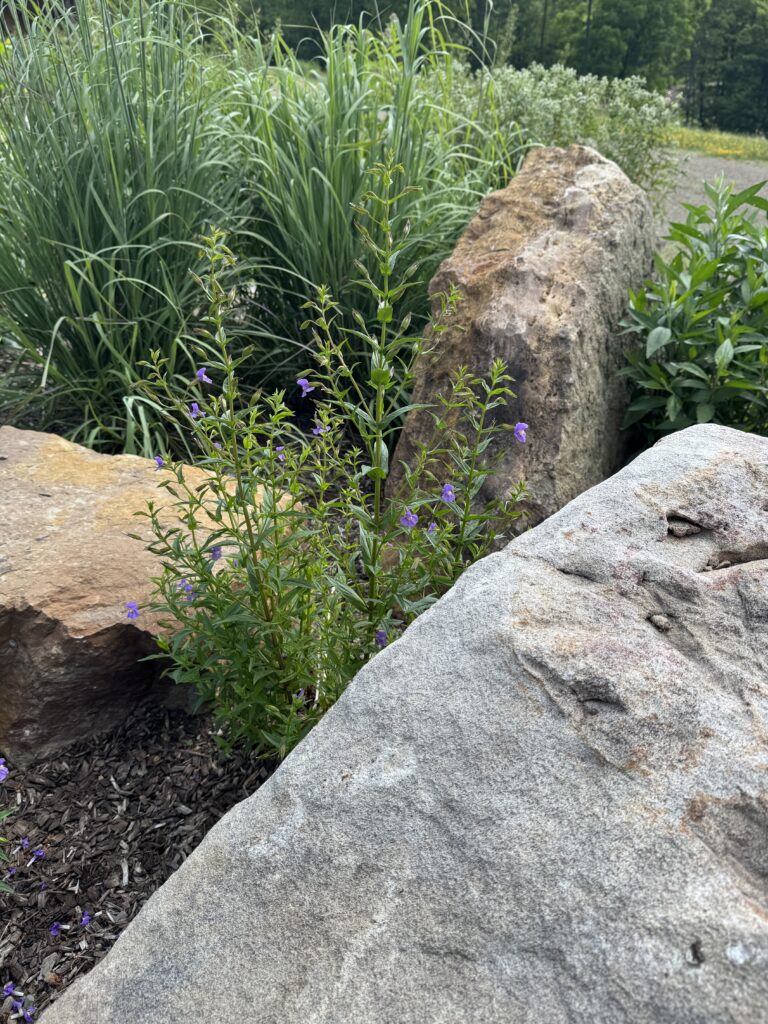
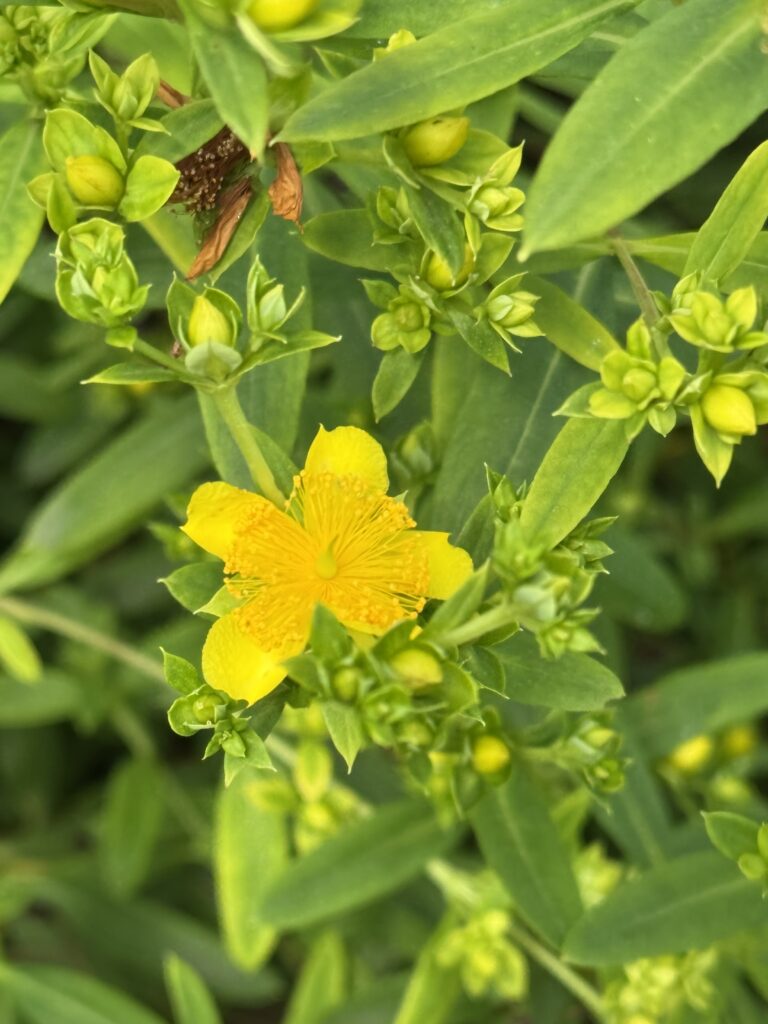
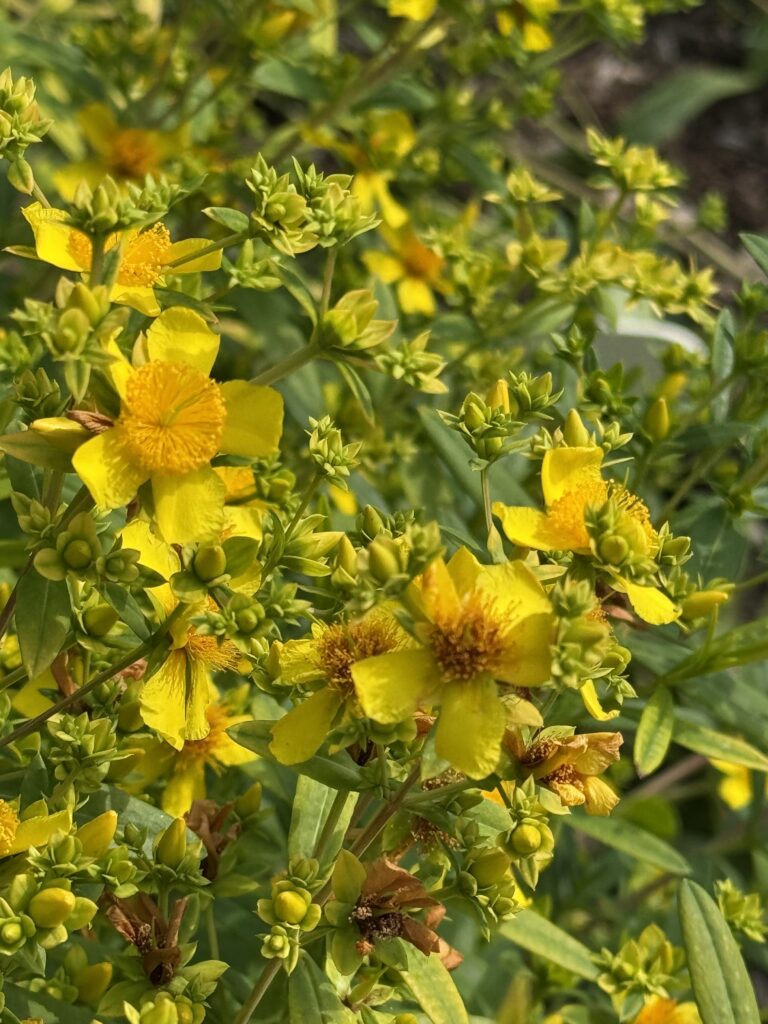
Pollinators aren’t a side interest for gardeners. Three-fourths of the world’s flowering plants and about a third of human food crops depend on pollination to produce. And the populations doing that work are under real pressure. Congressional resolutions marking Pollinator Week this year point to the difficulties many pollinator species face, including the iconic Western Monarch butterfly, as a reason the week exists at all.
A home garden won’t reverse that trend on its own. But multiplied across a neighborhood, a township, a county, native plantings add up to real habitat. That’s the case Jayme has been making to J.A. Rutter customers all along: native plants aren’t just lower maintenance and better suited to our western PA soil and climate. They’re infrastructure for the insects and birds that the rest of the ecosystem depends on.
Three Things You Can Do For Pollinator Week
Jayme’s advice for anyone looking to get started, or looking to do a little less this fall:
- Skip the fall cleanup, at least partway. Leave seed heads on coneflowers, black-eyed Susans, asters, and goldenrod through winter. The birds will use them, and so will overwintering insects.
- Leave some stems standing. If you need to cut back, leave 8 to 24 inches of stalk above the ground on hollow-stemmed natives like bee balm, Joe Pye weed, and milkweed. That’s exactly the kind of housing cavity-nesting bees need.
- Plant in succession. A garden with something blooming from spring through fall keeps pollinators fed the whole season, not just in June.
Want help figuring out which native plants will give you that audible, buzzing garden Jayme talks about? Stop by J.A. Rutter and ask for her. She’ll walk the aisles with you and point you toward what actually works in this region’s soil and climate, not just what looks good on a tag.
Sources: Penn State Extension Master Gardener Program (Lackawanna County); Penn State Extension “Fall Garden Care for Pollinators”; U.S. Senate Pollinator Week resolution, 2026; Pollinator Partnership, Pollinator Week 2026.