
What Makes a Great Mulch Job? Depth, Quality, and Doing It Right
A fresh mulch job is one of the simplest ways to transform a landscape but doing it right is what separates a clean, professional look from something that fades fast or causes problems later. Here are some examples of top tips for great mulch.
At JA Rutter, we work with contractors and homeowners every day, and we see firsthand what works and what doesn’t. Let’s break down what actually makes a great mulch job.
The Right Depth Makes All the Difference
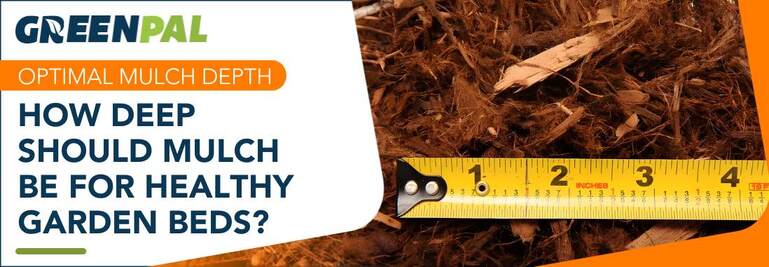
One of the most common mistakes in landscaping is improper mulch depth.
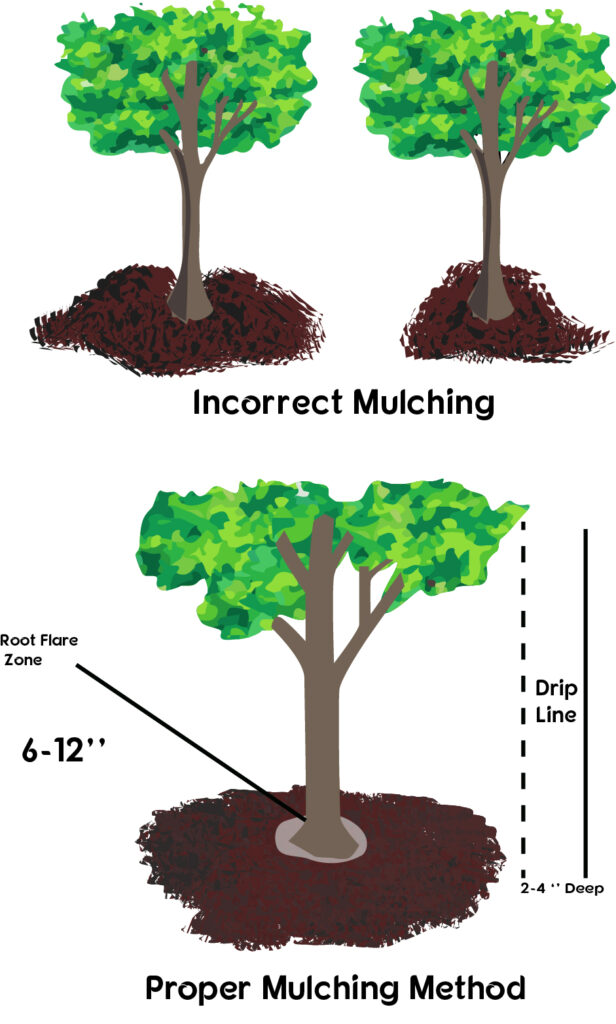
- Ideal depth: 2–3 inches
- Too shallow (<1 inch): Won’t block weeds or retain moisture
- Too deep (4+ inches): Can suffocate roots and trap excess moisture
Mulch should be applied evenly across the bed not piled up against trees or plants (no “mulch volcanoes”).
What Mulch Actually Does
Mulch isn’t just for looks it plays a critical role in soil health and plant performance.
Here’s what it does:
- Moisture retention: Keeps water in the soil longer, reducing how often you need to water
- Weed suppression: Blocks sunlight so weeds struggle to grow
- Temperature control: Keeps soil cooler in summer and insulated in cooler temps
- Soil improvement: As mulch breaks down, it adds organic matter back into the soil
Over time, mulch naturally decomposes and becomes part of the soil—this is a good thing. It improves structure, fertility, and overall plant health.
Why Bulk Mulch Beats Bagged Mulch Every Time
Not all mulch is created equal—and this is where quality really matters.
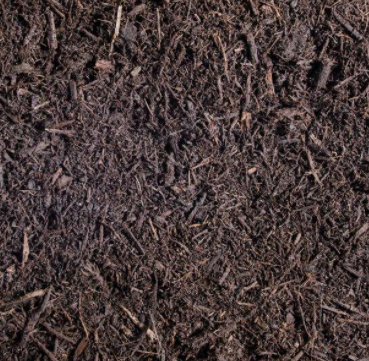
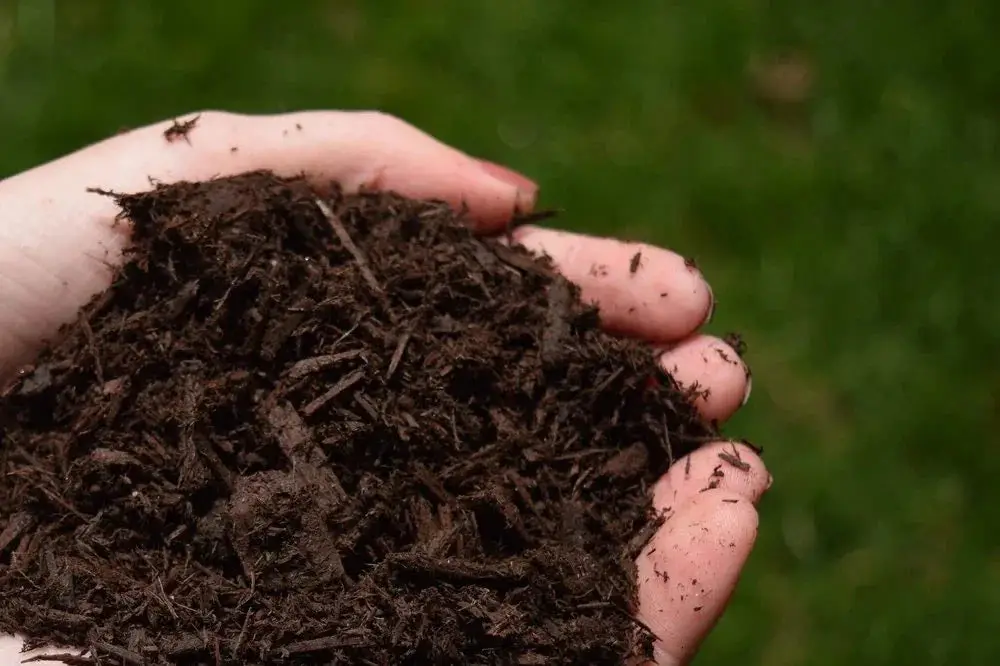
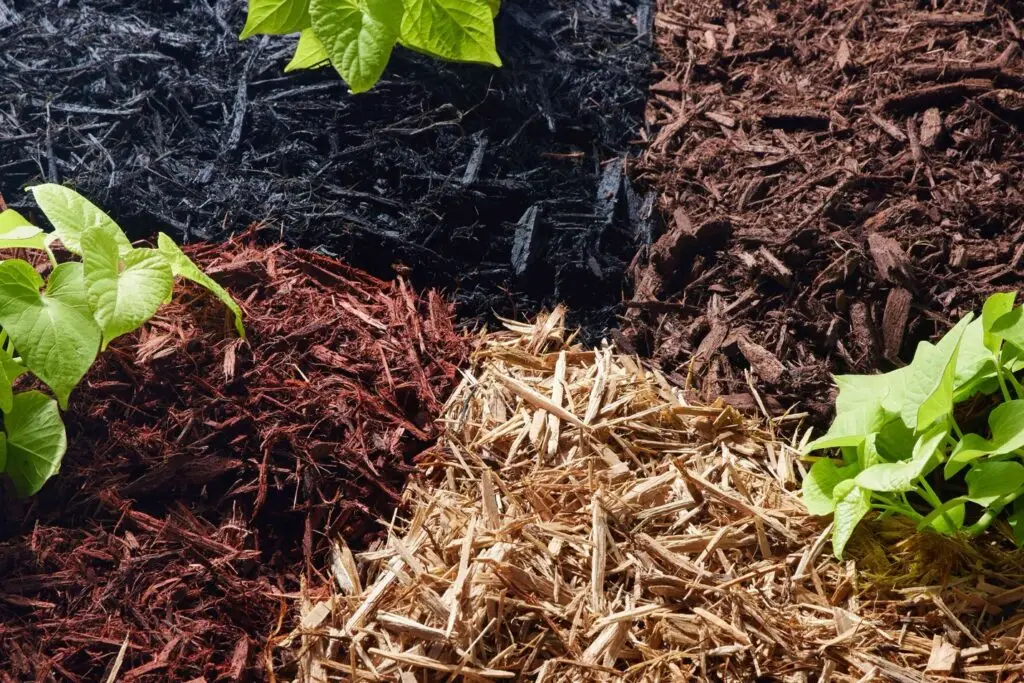
Store-bought bagged colored mulch often:
- Sits in plastic for long periods
- Contains inconsistent materials and sizes
- Is scantily dyed with a lesser grade dye
- Can dry out or develop odor issues
JA Rutter bulk colored mulch:
- Is fresher and processed for consistency
- Uses quality hardwood materials that are tested monthly for over a dozen items like arsenic, lead, mercury, PCBs, etc
- Has better color retention and breakdown properties
- Spreads more evenly and performs better over time
If you’re investing time and money into your landscape, the material you use matters. Bulk mulch simply delivers better results and is more cost effective.
Why You Should Skip Landscape Fabric Under Mulch
This is a big one and a common misconception.
Landscape fabric might seem like a good idea for weed control, but in mulch beds, it actually creates problems over time.
Here’s why:
- Mulch breaks down naturally and turns into soil (compost)
- That new soil layer builds on top of the fabric
- Weeds then grow in that layer anyway
- Roots can get tangled in the fabric, making removal a nightmare
- Water and nutrients have a harder time reaching the soil below
In short: fabric doesn’t stop weeds long-term it just delays them and makes future maintenance harder.
A properly installed mulch bed at the correct depth will do a better job naturally, without creating headaches later.
The Bottom Line
A great mulch job comes down to a few key principles:
- Apply 2–3 inches evenly
- Use high-quality bulk mulch
- Let mulch break down naturally to improve your soil
- Skip the landscape fabric it causes more harm than good
At JA Rutter, we make premium hardwood mulch designed to perform whether you’re tackling a backyard refresh or a large commercial install.
Stop in, call ahead, or ask about bulk delivery and get your mulch job done right the first time.