
5 Signs Your Job Site Is Ready for Mulch
(And 2 Signs It’s Not)
Mulching looks simple on the surface — but timing it wrong, or skipping a few steps, can create headaches that cost you labor hours and leave clients unhappy. Before you haul in a load of material, run through this quick checklist.
The 5 Signs You’re Good to Go
Edging is clean and defined
Beds should be cut before mulch goes down — not after. Fresh edges give the mulch a clean boundary and keep it from bleeding into the lawn. If edging hasn’t been done, hold off.
Existing mulch is below 2 inches deep
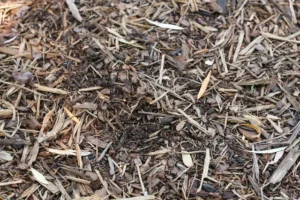
Layering new mulch on top of thick old mulch creates a soggy mat that blocks water and air from reaching the soil. If you’re already at 3+ inches, rake out the old material before adding fresh. Two to three inches total is the target depth. For a deeper look at depth, application, and product quality, see our Top Tips for a Great Mulch Job.
Weeds have been treated or pulled
Mulch suppresses future weeds — it doesn’t kill the ones already there. If you lay mulch over active weed growth, you’re just giving them a blanket. Clear the bed first. Penn State Extension explains that mulch works by blocking sunlight from reaching weed seeds — not by eliminating existing growth.
The soil isn’t waterlogged
After heavy rain, give the bed a day to drain before mulching. Trapping wet soil under mulch invites mold, fungus, and root problems. If you press your boot into the bed and water pools, it’s not ready. According to Penn State Extension, mulching over waterlogged soil only makes the problem worse by preventing evaporation of excess moisture.
The client has approved the product and color
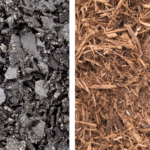
Dark brown, cherry brown, red, natural — these look dramatically different once they’re spread. Confirm the product before you order a bulk load. Nothing wastes a crew day faster than a color the client hates. Browse our full mulch colors and products before your next order.
2 Signs to Hold Off
New plants haven’t settled yet
Freshly installed annuals and perennials need a week or two before mulching. Mulching too soon can trap heat against tender stems. Let the plants establish, then mulch.
You’re mulching against tree trunks
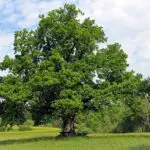
Piling mulch against the base of a tree — the classic “mulch volcano” — causes bark rot and attracts pests. Keep mulch pulled back 3–4 inches from the trunk and keep it flat, not mounded. Penn State Extension urban foresters warn this is one of the most damaging and widespread mistakes in landscape maintenance.
At J.A. Rutter, we carry 5 colors of dyed mulch, natural bark mulch, and our organics line in bulk — ready for pickup or job site delivery. Questions about product selection or volume estimates? Give us a call — we’re happy to help you plan. Or check out our FAQ page for quick answers on load sizes, delivery, and more.
Contact Us